
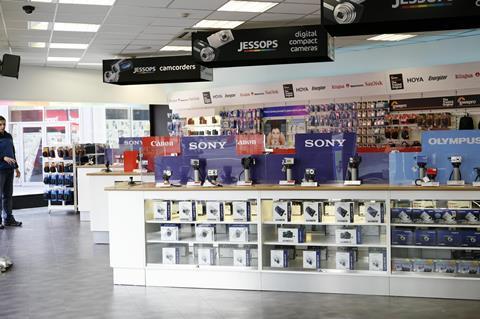
With a growing mix of store formats ranging from expansive flagship locations to space-constrained compact outlets, electronics retailers must adopt differentiated strategies to ensure each store delivers the right products to the right customers. At the core of this challenge is assortment planning in retail, a discipline that has grown far beyond just choosing which SKUs to stock. Today, it’s about tailoring the product mix to reflect customer expectations, store format capabilities, and local market dynamics.
The Role of Store Format in Assortment Strategy
Flagship stores and compact outlets serve distinct purposes in a retailer’s ecosystem. Flagship stores are brand showcases—typically situated in high-traffic urban areas—with ample square footage, immersive experiences, and a wide-ranging product catalog. They function not only as sales points but also as marketing tools and experiential destinations.
In contrast, compact outlets—whether in malls, transit hubs, or suburban neighborhoods—are built for efficiency. With limited shelf space, they must prioritize high-performing, fast-moving SKUs and essentials. This requires ruthless curation and a deep understanding of local demand patterns. These format differences have significant implications for assortment planning, influencing everything from category depth to product lifecycle staging.
Assortment Planning for Flagship Stores
In flagship locations, assortment planning leans heavily toward breadth and innovation. These stores often carry:
- Full-line assortments across major categories (smartphones, laptops, gaming, audio, home automation, etc.).
- Emerging tech and pilot products not yet rolled out chain-wide.
- Premium SKUs and top-of-the-line models that showcase brand leadership.
- Accessory breadth, including colors, brands, and bundles.
- Interactive demo units, enabling hands-on customer experiences.
Flagship assortments also integrate storytelling. Retailers often allocate space for brand zones, exclusive releases, or limited-edition collaborations. Assortment planners working on these formats must work closely with marketing, vendor partners, and data teams to ensure the store reflects innovation, aspiration, and category leadership.
Additionally, flagships tend to serve a more diverse customer base—including tourists, early adopters, and brand enthusiasts—so product selection needs to reflect broader tastes and higher expectations.
Assortment Planning for Compact Outlets
With compact stores, the primary goal is efficiency and relevance. Every square foot counts, and each product must earn its place. Assortments here are:
- Highly curated, often limited to top-selling SKUs within each category.
- Focused on value and utility, with a strong emphasis on mid-range products.
- Heavily data-driven, using historical sales, local demographics, and foot traffic analysis to guide choices.
- Flexible, allowing for seasonal swaps (e.g., more mobile accessories during travel seasons, more smart home devices during holidays).
- Geographically tailored, reflecting urban commuter needs, suburban family preferences, or regional tech adoption rates.
For compact outlets, planners often rely on planogram optimization tools and localized sales forecasts to ensure space is maximized and inventory turns remain high. It’s not about showcasing the full brand story—it’s about delivering what that store’s specific customer base wants, fast.
The Importance of Unified Assortment Logic
While planning assortments for different formats, consistency in customer experience remains important. Flagship and compact stores may carry different SKUs, but pricing, promotions, and service levels should remain aligned. Many electronics retailers use a tiered assortment strategy—grouping products into core (available everywhere), extended (flagship only), and optional (localized or seasonal) ranges.
Unified assortment logic also supports omnichannel integration. Customers may discover a product in a compact store but purchase it online or at a flagship location. Ensuring digital and physical assortments are in sync—through endless aisle solutions or ship-from-store models—bridges the format gap and keeps the customer journey seamless.
Technology’s Role in Format-Specific Assortment Planning
Modern assortment planning platforms now support multi-format and multi-location strategies with increasing precision. By using machine learning algorithms, real-time sales data, and demand forecasting tools, retailers can dynamically adjust assortments based on geography, store size, local events, and customer demographics. Many electronics retailers now run scenario planning models, simulating how product mix changes impact revenue, margins, and customer satisfaction at the format level. This helps them maintain agility, especially when launching new product lines or adapting to sudden shifts in consumer demand.
Final Thoughts
As the consumer electronics sector continues to blur the lines between physical and digital retail, assortment planning in retail becomes a critical success factor. Flagship stores and compact outlets may look and feel different, but both must reflect strategic planning rooted in customer behavior, local insight, and format capabilities. Ultimately, the winners in electronics retail will be those who master the nuance—delivering a curated, consistent, and customer-centric assortment experience, no matter the square footage.